Aligning Payment Mechanisms with Tiered Access in Mobile Entertainment Ecosystems
Carlo Hayes · Aug 27, 2026
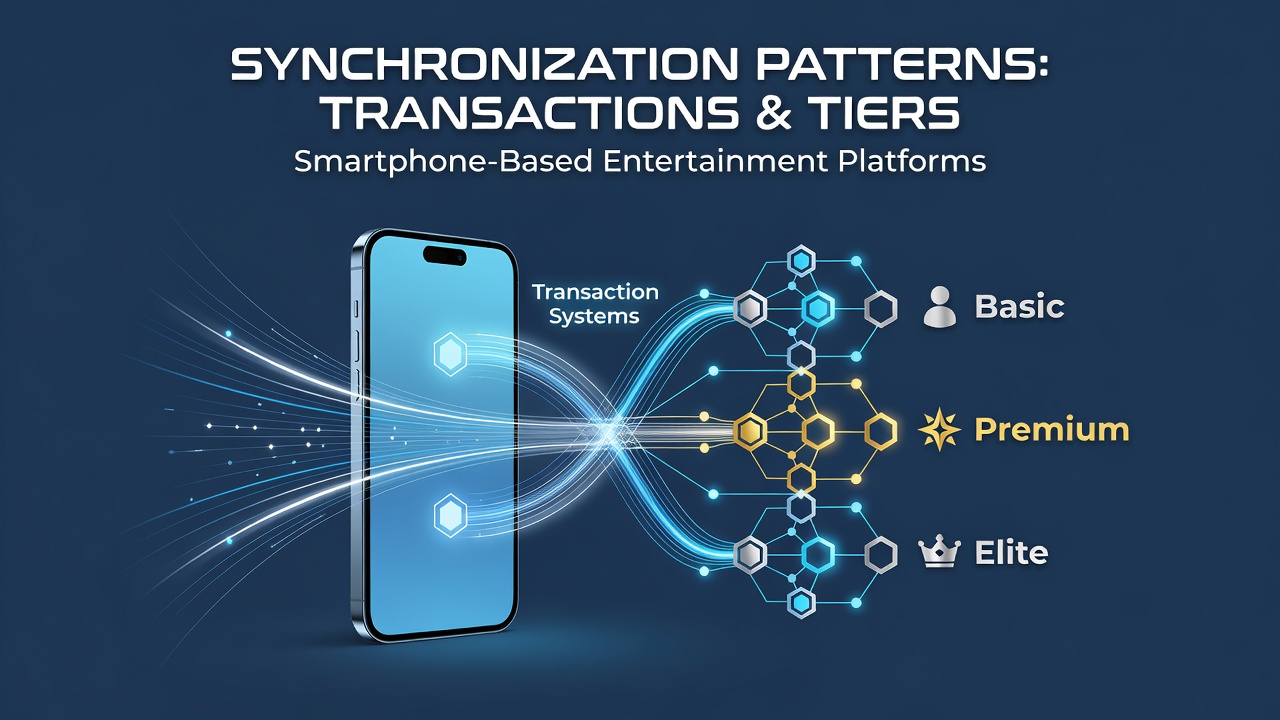
Aligning Payment Mechanisms with Tiered Access in Mobile Entertainment Ecosystems
Smartphone-based entertainment platforms have developed intricate systems that coordinate transaction processing with membership tier structures, creating seamless user experiences across gaming, streaming, and interactive content services. Data from industry reports indicates these alignments occur through real-time APIs that update user status immediately after deposits, withdrawals, or reward redemptions. Observers note that such patterns reduce latency between financial actions and tier benefits, allowing users to access enhanced features without manual intervention.
Research from the University of Nevada's gaming technology studies shows synchronization relies on centralized databases that track transaction volumes against predefined tier thresholds. When a user completes a qualifying payment, the system automatically adjusts membership levels, unlocking perks such as faster processing speeds or exclusive content libraries. This process operates continuously, with algorithms monitoring patterns across thousands of simultaneous sessions to maintain consistency.
Core Components of Transaction and Tier Integration
Transaction systems in these platforms incorporate multiple layers, including payment gateways, fraud detection modules, and ledger updates that feed directly into tier management software. According to findings from the Australian Communications and Media Authority, integration points occur at the moment funds clear, triggering tier recalculation engines that reference historical activity data. Users often experience instant confirmation of their updated status, which reflects accumulated spend or engagement metrics.
Membership tiers function as dynamic categories, ranging from entry-level access to premium designations that grant priority support or customized interfaces. The synchronization happens via event-driven architectures where each transaction event publishes a signal to the tier engine. Experts at the European Gaming and Betting Association have documented cases where tier upgrades coincide with bonus allocations, ensuring rewards align precisely with the user's current classification without delays.
Patterns Observed in Data Flow and User Progression
Patterns emerge in how platforms handle high-volume periods, such as peak evening hours in August 2026 when transaction spikes coincide with tier advancement campaigns. Systems employ load-balancing techniques that distribute tier update requests across server clusters, preventing bottlenecks. Studies from Canadian research institutions reveal that predictive models anticipate user movements between tiers by analyzing transaction frequency and amount patterns, pre-allocating resources for smoother transitions.
One notable pattern involves tier demotion safeguards, where temporary inactivity triggers grace periods before status changes. Transaction systems monitor these timelines and send automated notifications tied to payment reminders. This coordination maintains user retention by linking financial incentives directly to membership stability, as evidenced in reports from the Japan Casino Regulatory Commission on mobile platform operations.
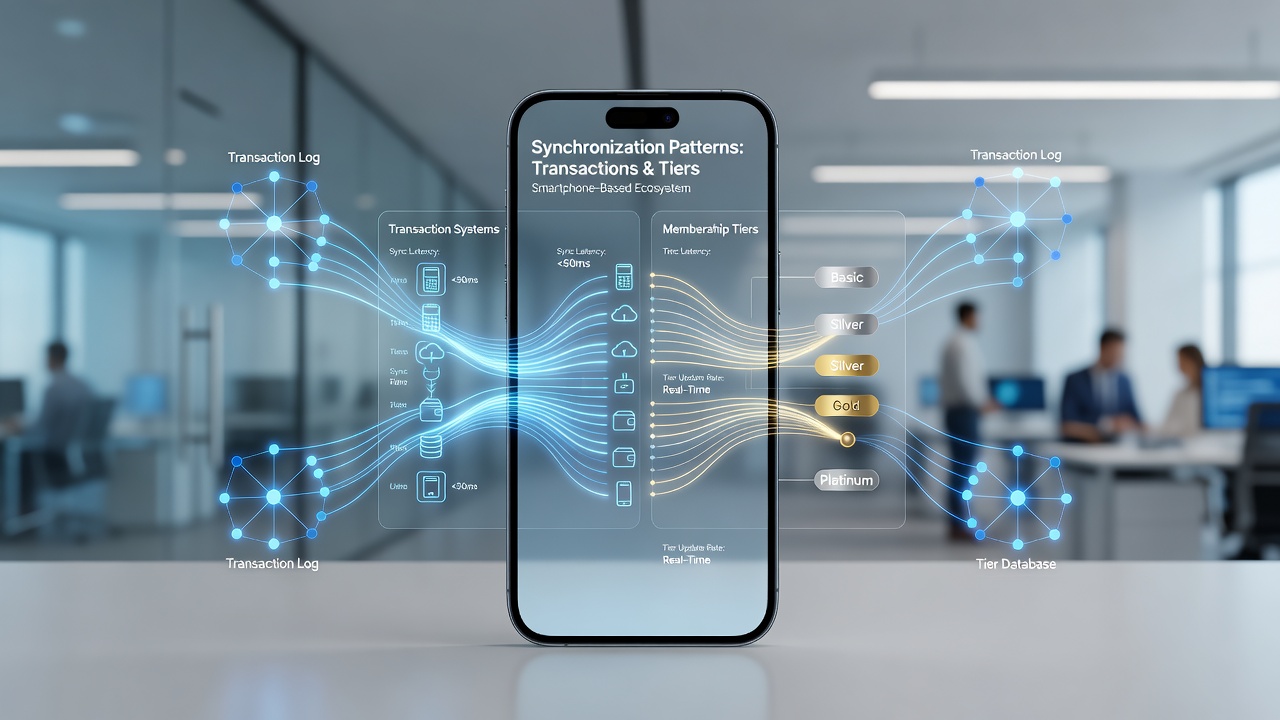
Another observed pattern centers on cross-platform compatibility, where transaction data from smartphone apps syncs with web-based portals and console integrations. Developers implement standardized protocols that allow tier levels to persist across devices, updating in under two seconds according to benchmarks from academic papers on distributed systems. This fluidity supports continuous engagement without requiring users to re-verify status manually.
Technical Mechanisms Driving Real-Time Updates
Behind these alignments sit microservices that handle specific functions like payment validation and tier scoring. Each service communicates through message queues, ensuring that a completed transaction immediately increments relevant counters in the membership database. Data indicates error-handling routines revert changes if discrepancies arise, preserving accuracy across the ecosystem.
Security layers integrate at every synchronization step, with encryption applied to transaction records before they influence tier calculations. Regulatory frameworks in various regions require audit trails that log every update, allowing independent verification of how payments translate into tier benefits. Those monitoring industry developments point to advancements in blockchain elements for immutable records, though adoption remains selective among platform operators.
Future Directions in Platform Coordination
Emerging trends show increased use of machine learning to refine synchronization accuracy, predicting tier eligibility based on projected transaction behaviors. Platforms test these models in controlled environments before full deployment, with initial results suggesting reduced manual overrides. Industry organizations continue to publish guidelines that standardize these processes across different entertainment categories.
Conclusion
Coordination between transaction systems and membership tiers in smartphone entertainment platforms follows established patterns of real-time data exchange and automated adjustments. Evidence from multiple regulatory and academic sources demonstrates consistent implementation across global operations, supporting efficient user progression and resource allocation. These mechanisms continue to evolve with technological improvements, maintaining alignment between financial activities and access privileges.