Device Screens as Hubs Linking Rapid Transfers, Tiered Rewards, and Live Interaction Streams in Wagering Apps
Mara Koch · Aug 18, 2026
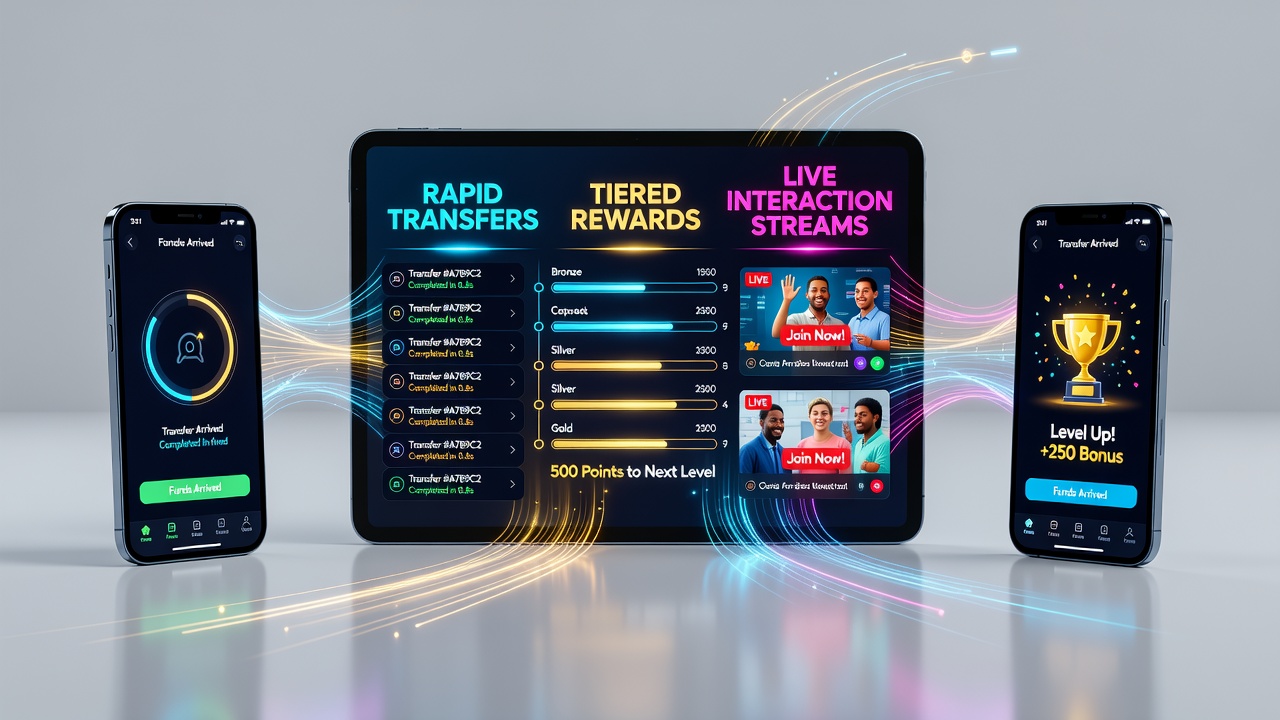
Device Screens as Hubs Linking Rapid Transfers, Tiered Rewards, and Live Interaction Streams in Wagering Apps
Device screens now function as central points where rapid transfers, tiered rewards, and live interaction streams converge in wagering applications, and observers note this integration has accelerated since early 2025. Data from industry reports shows users accessing multiple functions through single interfaces rather than switching between separate platforms, which creates continuous engagement across slots, table games, sports betting, and live dealer sessions. Research indicates that payment gateways sync directly with loyalty systems so deposits trigger immediate reward unlocks while live streams update in real time to reflect user activity levels.
Central Role of Mobile Interfaces in Modern Wagering
Those who track app development patterns see device screens evolving into command centers that connect financial transactions with personalized reward structures and interactive content streams, and this setup appears across both established operators and newer market entrants. Figures reveal that apps incorporating unified dashboards report higher session durations because players manage deposits, track tier progress, and join live events without leaving the main view. What's interesting is how developers link these elements so a completed transfer instantly populates reward meters and unlocks stream access codes for high-stakes tables or exclusive sports markets.
Studies from regional gaming associations highlight that seamless connectivity reduces friction points, allowing users to move from funding an account to claiming tiered bonuses and entering live dealer rooms within seconds. Experts have observed that this architecture supports 24-hour operation cycles where support systems feed directly into the same screen ecosystem, handling queries about pending transfers or reward redemptions alongside ongoing live streams. One case examined by Canadian researchers showed operators using screen-based hubs achieved measurable gains in retention when reward tiers updated automatically during live events.
Payment Integration and Reward Layering
Rapid transfers form the foundation of these screen hubs, and data indicates integration with tiered reward programs creates automatic progression paths based on deposit volume and frequency. According to findings from the Australian Gambling Research Centre, systems that combine instant deposits with visible loyalty ladders encourage sustained participation across multiple game types. Observers note that reward tiers often unlock additional live stream features, such as private dealer tables or enhanced sports betting overlays, all displayed on the same device interface.
Payment processors now embed directly into app screens so transaction confirmations appear alongside updated reward balances and stream invitations, and this linkage minimizes delays that previously interrupted user flow. Research indicates that apps employing these connections see deposit-to-play conversion rates improve because tiered rewards activate immediately upon transfer completion. Those studying user behavior patterns report that players respond to visible progress bars on their screens that track both financial activity and reward accumulation in parallel.
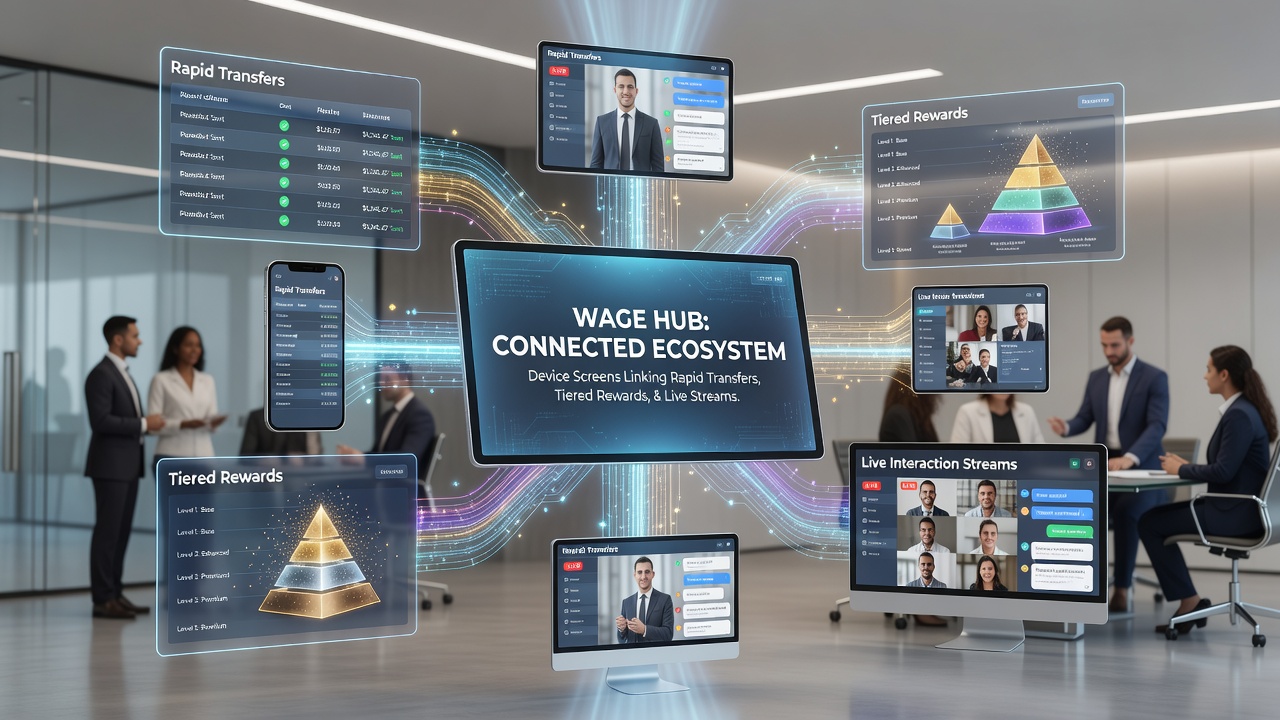
Live Streams as Dynamic Engagement Tools
Live interaction streams occupy a central position within these device hubs, and they update in response to user transfers and reward status changes to maintain relevance throughout sessions. Evidence suggests that operators linking stream access to tier levels create differentiated experiences where higher tiers gain entry to exclusive dealer interactions or real-time sports commentary feeds. Data from European gaming bodies shows that integrated streams increase average session length when they appear alongside payment and reward elements on the same screen.
Developers design these streams to reflect current account activity so a recent transfer might trigger personalized stream notifications or bonus multipliers displayed within the live view. Researchers discovered that this synchronization keeps users anchored to the hub interface rather than navigating away to separate sections. In August 2026 several major platforms rolled out updates that further tightened these connections, allowing live stream participants to claim tier rewards directly through on-screen prompts tied to ongoing game events.
Technical Architecture Supporting Hub Functions
Backend systems powering these screen hubs rely on synchronized databases that push transfer confirmations, reward updates, and stream metadata to user devices simultaneously, and this architecture supports the multi-function experience many apps now advertise. Industry reports indicate that API connections between payment gateways, loyalty engines, and streaming servers enable the real-time responsiveness users expect. Those examining platform performance note that apps maintaining stable hub operations during peak hours demonstrate stronger user retention metrics compared to fragmented alternatives.
Security protocols embedded within these interfaces verify transfers while protecting reward data and stream access credentials, which maintains trust across the linked features. Figures from North American regulatory reviews reveal that compliant hub designs reduce support ticket volumes related to transaction and reward discrepancies because information displays consistently on device screens.
Conclusion
Device screens have become the operational core for wagering applications by uniting rapid transfers with tiered rewards and live interaction streams into single accessible points. Data continues to show that this integrated approach aligns with user expectations for efficiency and continuity across gaming activities. As platforms refine these connections through 2026 and beyond, the hub model supports expanded functionality without increasing interface complexity for end users.