Transaction Protections Bolster Tiered Rewards in Slot Machines, Card Games, and Athletic Wagers
Klara Perry · Aug 22, 2026

Transaction Protections Bolster Tiered Rewards in Slot Machines, Card Games, and Athletic Wagers
Observers note that operators now embed advanced encryption standards and multi-factor authentication directly into loyalty programs, which allows higher-tier members to access expedited verification while maintaining compliance with global data protection rules. Data from industry reports shows that these integrations reduce processing delays for slots enthusiasts who reach platinum status, whereas table game participants at gold levels gain priority routing through secure gateways that flag anomalies in real time.
Core Elements of Linked Security and Membership Systems
Research indicates that transaction protocols such as tokenization and end-to-end encryption now synchronize with tier progression algorithms, so silver members receive baseline fraud monitoring while diamond users unlock biometric-linked approvals that bypass standard checks during peak hours. Figures reveal that this approach maintains consistency across slot formats where micro-transactions occur rapidly, card tables that demand higher per-hand security thresholds, and athletic prediction platforms handling variable stake sizes based on event timelines.
Those who've examined platform architectures find that tiered advantages often include dedicated secure channels for high-value athletic wagers, which prevents interception risks that affect lower tiers during live event windows. And because membership upgrades trigger automatic protocol enhancements, players moving from basic to premium levels experience seamless shifts without separate security registrations.
Application Across Slot, Table, and Athletic Formats
Slot operations benefit when security layers activate automatically upon tier elevation, granting members faster deposit confirmations that align with bonus release schedules. Table game environments see similar patterns, where observers document how platinum status correlates with private encrypted sessions that isolate player data from shared network traffic. Athletic prediction formats follow suit through protocols that verify user location and device integrity before allowing escalated stakes, a feature that scales with membership rank and reduces exposure during high-volume betting periods.
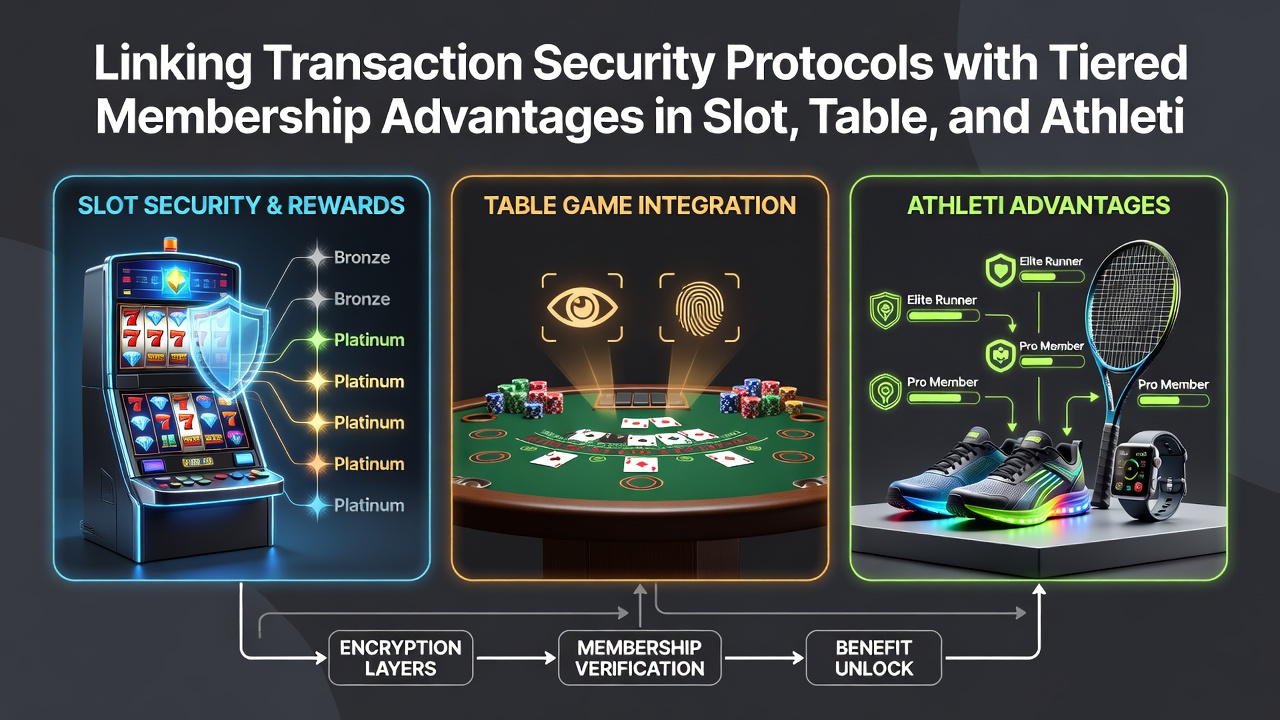
Studies from the Nevada Gaming Control Board highlight how such linkages support regulatory audits by logging every tier-specific transaction under immutable records, which streamlines compliance for operators managing mixed-format portfolios. What's interesting is that August 2026 marks the scheduled expansion of these combined systems in select North American markets, where athletic prediction interfaces will incorporate dynamic security tiers that adjust based on real-time risk scoring.
Implementation Patterns and Data Trends
Evidence suggests that platforms linking these elements achieve measurable reductions in chargeback rates across all three categories, particularly when diamond members receive custom security dashboards that monitor slot volatility alongside table session histories. European regulators outside the UK, including those referenced in reports from the Belgian Gaming Commission, note parallel developments where athletic betting tiers gain priority access to blockchain-verified ledgers that confirm payout integrity without additional user intervention.
One study revealed that membership algorithms now factor in transaction velocity, so frequent slot players climb tiers faster and inherit enhanced protocols that shield against account takeover attempts common in high-frequency environments. Table formats meanwhile prioritize session encryption for elevated ranks, whereas athletic prediction tools emphasize geofencing tied to tier status to enforce jurisdictional rules during international events.
Future Integration Outlook
Academic sources such as those published through the University of Nevada's gaming research division indicate continued refinement of these linkages, with emphasis on AI-driven anomaly detection that scales privileges automatically. Operators report that tiered security reduces support overhead because higher members self-manage verification through pre-approved channels, freeing resources for broader platform maintenance across slots, tables, and sports forecasting modules.
Yet the reality remains that successful implementations depend on consistent data synchronization between payment processors and loyalty engines, a process that observers expect to mature further by late 2026 as more regions adopt standardized frameworks.
Conclusion
Overall patterns demonstrate that transaction security protocols and tiered membership advantages now operate as interdependent components rather than separate features, delivering structured benefits that adapt to slot, table, and athletic prediction demands while supporting regulatory requirements worldwide.